Case StudySample
A sample case study — replace this with a real build.
Placeholder intro. Describe the problem the client had, what you built (analytics, automation, AI — or all three), and why it mattered.
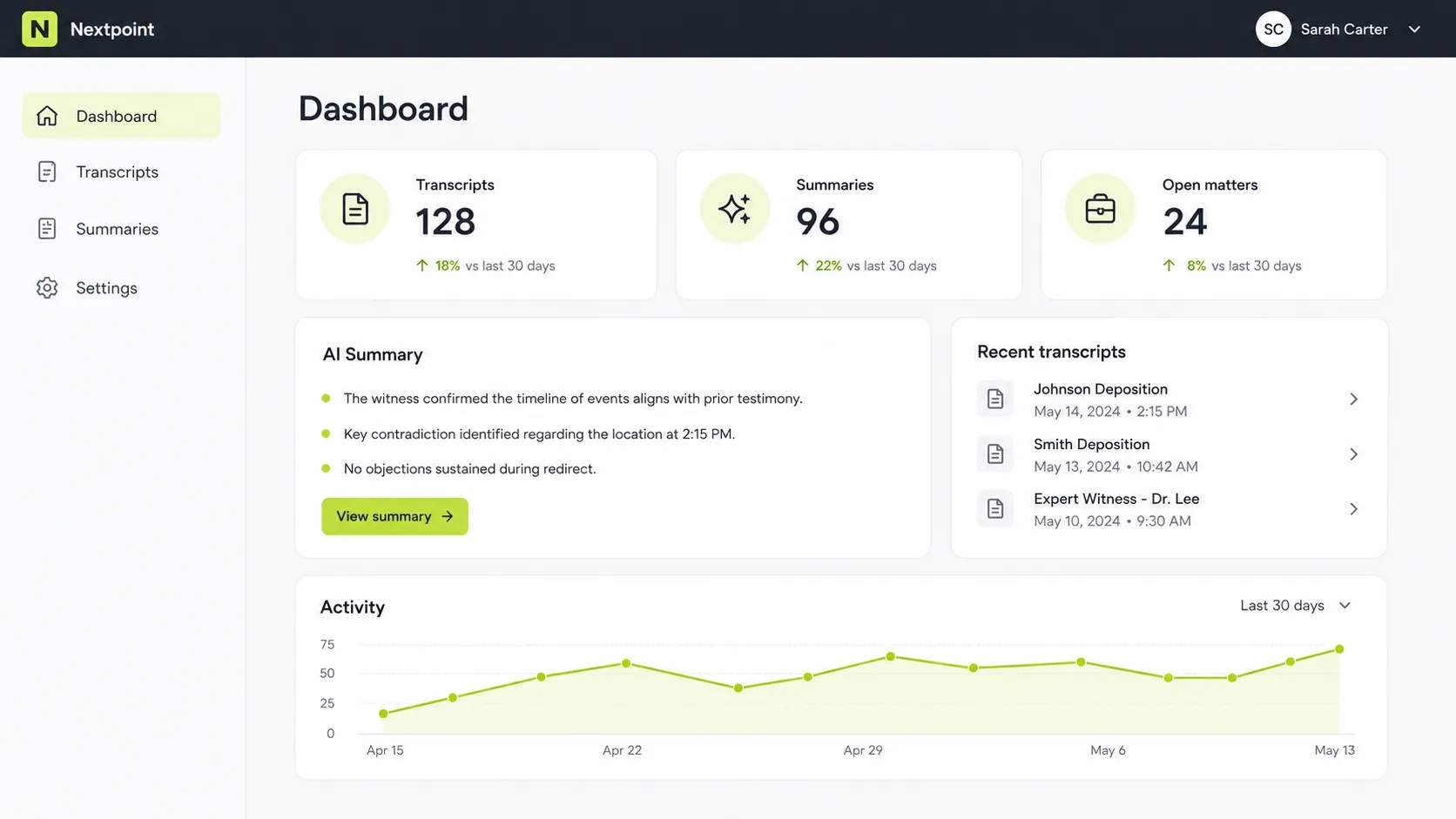
Overview
Overview — replace with a one-line summary of the project.
Placeholder — describe the context: who the client was (enterprise, not-for-profit, or startup), what problem they had, and what you were brought in to build.
Placeholder — describe your role: what you designed, built, shipped, or automated as a solo developer on this engagement.
What I Built
Placeholder — describe how you approached the work: discovery, technical decisions, and how the build took shape.
Placeholder — describe the stack and architecture: the services, pipelines, models, or automations you put together.
Placeholder — describe anything interesting about delivery: constraints, trade-offs, or the part of the build you're proudest of.
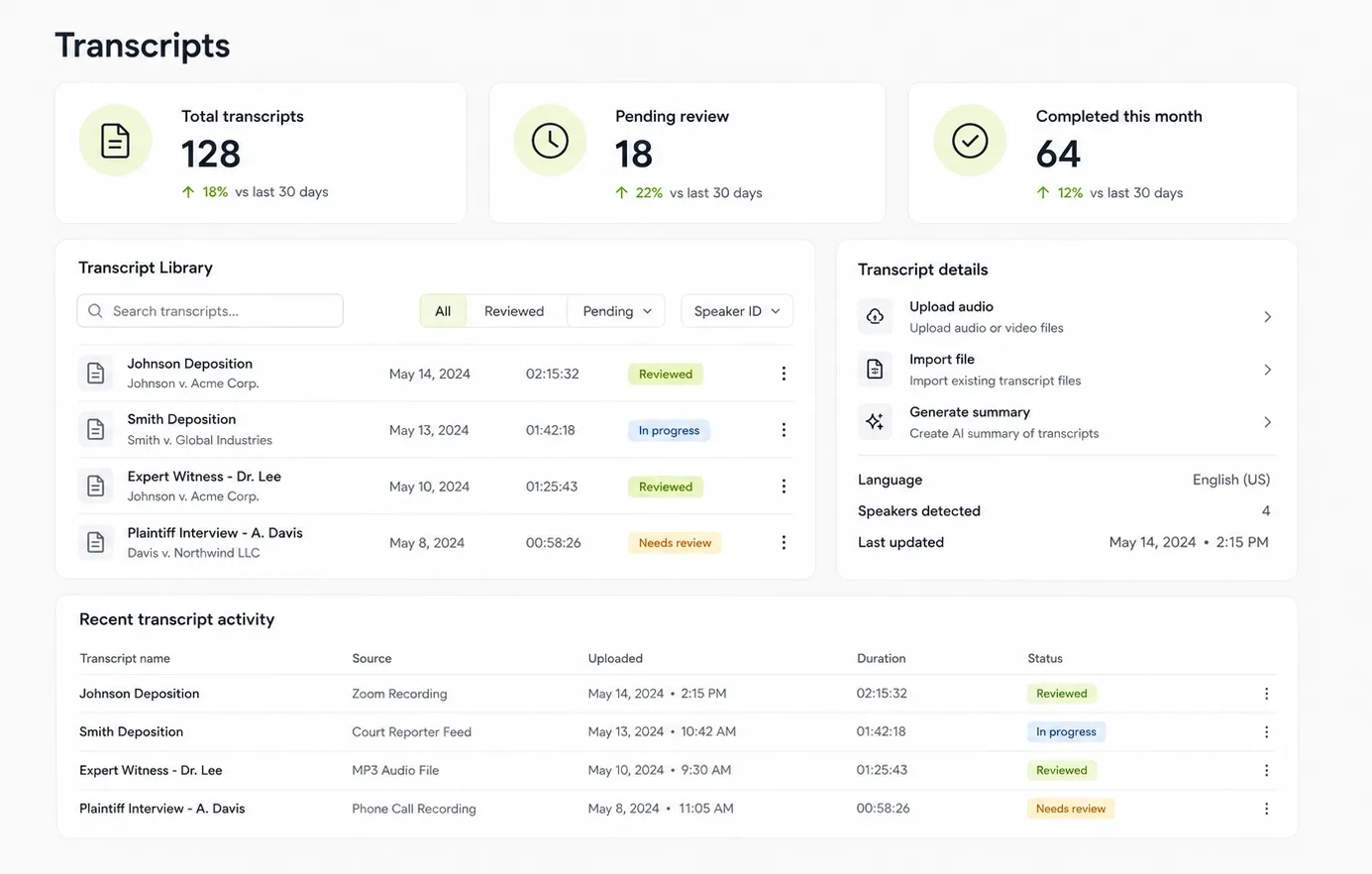
Build Decisions
Placeholder — describe the key technical or product decisions: what you chose and why, and what you deliberately left out.
Placeholder — describe a trade-off worth mentioning: cost vs. capability, build vs. buy, accuracy vs. speed.
Placeholder — describe how the solution fit the client: enterprise scale, not-for-profit budget, or startup speed.
Outcome
- Outcome placeholder — describe what shipped and the impact it had.
- Outcome placeholder — describe a measurable result or improvement.
- Outcome placeholder — describe what the client could do afterwards.
This is a placeholder case study — swap in a real project, keep the structure: problem, what you built, key decisions, and the outcome.